Video games come in many forms, each catering to different audiences and levels of player engagement. Understanding the differences between casual, competitive, and esports games helps players, developers, and marketers appreciate the gaming ecosystem and target experiences effectively.
Casual Games
Casual games are designed for quick, enjoyable play with minimal commitment:
- Gameplay: Simple rules, easy to learn, often played in short sessions.
- Audience: Broad demographic including beginners, mobile gamers, and casual players.
- Examples: Candy Crush, Among Us, and mobile puzzle games.
- Purpose: Entertainment, relaxation, and light social interaction.
Casual games are ideal for players seeking fun without stress or high skill requirements.
Competitive Games
Competitive games focus on skill, strategy, and player-versus-player (PvP) engagement:
- Gameplay: Requires strategy, practice, and mastery of mechanics.
- Audience: Players seeking challenge and measurable skill improvement.
- Examples: League of Legends, Dota 2, Counter-Strike: Global Offensive.
- Purpose: Competition, skill development, and social interaction within the gaming community.
Competitive games foster a sense of achievement and motivate players to improve continuously.
You Can Also Read: game-mechanics-engagement
Esports Games
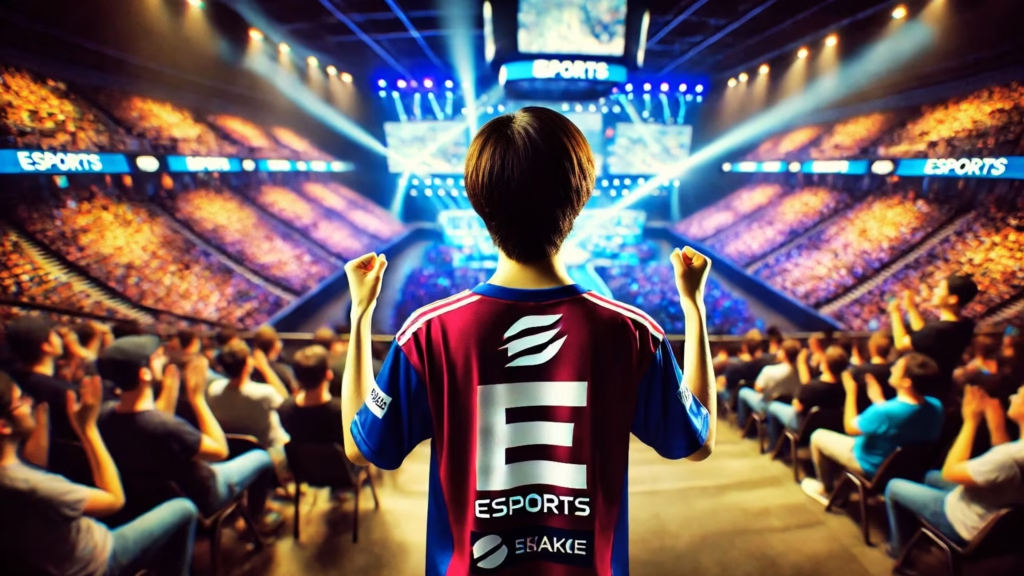
Esports games are a professional extension of competitive gaming with organized tournaments and large audiences:
- Gameplay: Highly competitive, often team-based, with standardized rules for tournaments.
- Audience: Professional players, spectators, and fans following esports events.
- Examples: Overwatch League, Valorant Champions Tour, Call of Duty League.
- Purpose: Entertainment, professional competition, and spectator engagement.
Esports transforms gaming into a spectator sport with sponsorships, streaming, and global recognition.
Key Differences at a Glance
| Aspect | Casual Games | Competitive Games | Esports Games |
| Complexity | Simple | Moderate to high | High |
| Session Length | Short | Medium | Long (tournaments) |
| Skill Requirement | Low | Medium to high | Very high |
| Audience | General | Competitive players | Players + spectators |
| Goal | Fun and relaxation | Skill mastery and victory | Professional competition and viewership |
These distinctions help players choose games that suit their interests and engagement style.
Conclusion
Casual, competitive, and esports games each serve unique purposes in the gaming ecosystem. From simple entertainment to professional competition, understanding these differences helps players, developers, and audiences navigate the world of gaming more effectively.
For more insights into gaming trends, esports, and game design, platforms like ptiehero turf magique provide expert resources for players, developers, and gaming enthusiasts.